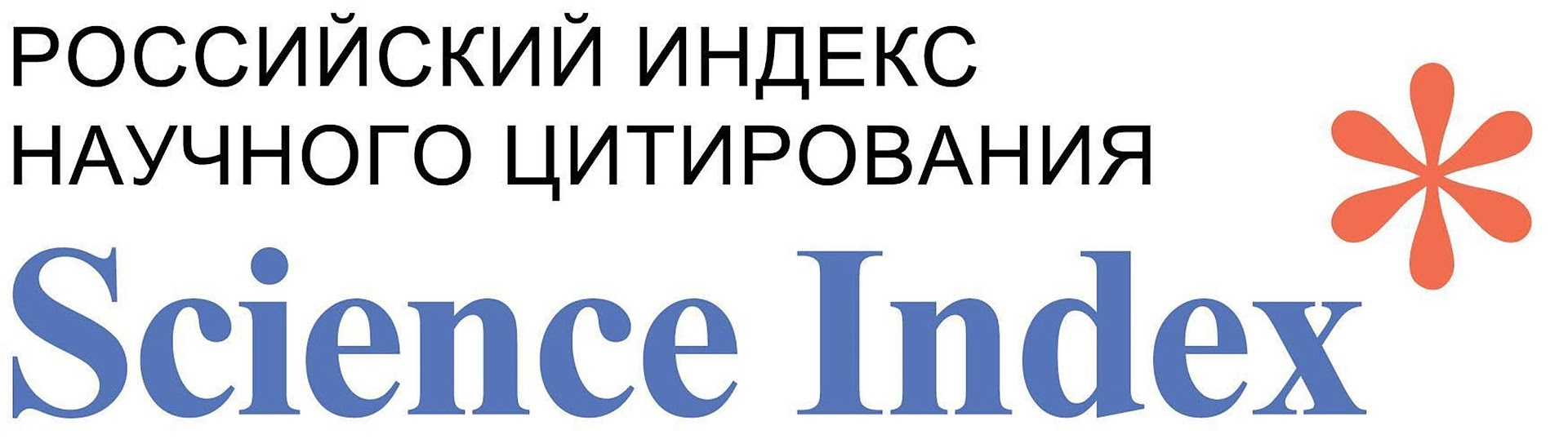
Свобода прокладки подводных кабелей и право на разработку минеральных ресурсов: «на перекрестке равнозначных дорог»
Аннотация
В отечественной правовой литературе вопросы международно-правового режима подводных кабелей остаются неисследованными, как, впрочем, и вопросы соотношения свободы прокладки подводных кабелей с остальными свободами открытого моря и с правами, действующими на морском дне, в частности. Опираясь на исторический, логический и системный методы анализа, авторы рассматривают обозначенную проблематику. Анализируется взаимодействие двух важнейших прав, предусмотренных Конвенцией ООН по морскому праву (1982) — правом на прокладку подводных кабелей и правом на разработку минеральных ресурсов. Прокладка и использование подводных кабелей давно стала приносить человечеству экономические и социальные блага, а также стала объектом международно-правового регулирования, хотя последнее нельзя назвать развитым и всесторонним. В отличие от прокладки подводных кабелей разработка минеральных ресурсов морского дна имеет более короткую историю международно-правового регулирования. В пределах морских границ государства эти виды деятельности регулируется им самим, однако за пределами государственных морских пространств возможно столкновение интересов субъектов, занятых в кабельной индустрии и занимающихся разработкой минеральных ресурсов. Постепенно увеличивающаяся активность в Международном районе морского дна может привести к конфликтам между кабельными компаниями, осуществляющими прокладку подводных кабелей, а также субъектами, ведущими деятельность по разработке минеральных ресурсов, поскольку оба вида деятельности приходятся на одну и ту же территорию морского дна. Конвенция ООН по морскому праву не устанавливает приоритета той или иной деятельности в Международном районе морского дна, поэтому не ясно, как решать ситуацию при вероятных разногласиях между кабельной компанией и контрактором (подрядчиком) в договоре на разработку ресурсов морского дна. Авторы приходят к выводу, что восполнение этого пробела может осуществляться альтернативными способами за рамками изменения Конвенции, входе сотрудничества международных организаций, с учетом возможного конфликта интересов в деятельности национальных органов и организаций.
Литература
Beckman R. (2010) Submarine cables — critically important but neglected area of the law of the sea. International Conference on Legal Regimes of Sea, Air, Space and Antarctica. Available at: https://cil.nus.edu.sg/wp-content/uploads/2010/01/Beckman-PDF-ISIL-Submarine-Cables-rev-8-Jan-10.pdf (accessed: 11.10 2017)
Burnett D. (2012) Panel III: Submarine cables, critical infrastructure. The Law of the See Convention, vol. 15, pp. 77-79.
Burnett D. (2013) Submarine cables on the continental shelf. The Regulation of Continental Shelf Development, vol. 17, pp. 53-70.
Burnett D., Carter L. (2017) International submarine cables and biodiversity beyond national jurisdiction — the cloud is beneath the sea. New York: Martinus Nijhoff Publishers, 72 p.
Burnett D., Davenport T., Beckman R. (2014) Submarine cables: handbook of law and policy. New York: Martinus Nijhoff, 437 p.
Carter L. et al. (2009) Submarine cables and the oceans. Available at: http://www.iscpc.org/publications/ICPC-UNEP_Report.pdf (accessed: 11.10.2017)
Drew S. (2009) Submarine cables and other maritime activities. Submarine Cables and the Oceans, no 31, pp. 43-48.
Green M., Burnett D. (2008) Security of international submarine cable infrastructure: time to rethink? Legal Challenges in Maritime Security, vol. 15, pp. 557-584.
Guseva E. (2010) The history of submarine shipbuilding. Kabel-news, no 4. Available at: URL: http://www.ruscable.ru/print.html?p=/article/Istoriya_podvodnogo_kabelestroeniya/ (accessed: 11.10.2017) (in Russian)
Kolombos D. (1975) [International Maritime Law]. Moscow: Progress. 782 p. (in Russian)
Kolodkin A.L., Gutsulyak V.N., Bobrova Yu.V. (2007) [Global Ocean. International Law Issues]. Moscow: Statut, 637 p. (in Russian)
Lodge M., Le Gurun G., Burnett D., De Juvigny A. (2015) Submarine cables and deep seabed mining-advancing common interests and addressing UNCLOS “Due regard” obligations. ISA Technical Study, no 14, pp. 5-56.
OSPAR Commission (2009) Assessment of environmental impact of cables. Publication N 437. Available at: http://qsr2010.ospar.org/media/assessments/p00437_Cables.pdf (accessed: 11.10. 2017)
Peshkov I.B. (2013) [Undersea cable: current situation and future development]. Nauka i tekhnika, pp. 9-15 (in Russian)
Perez-Alvaro E. (2013) Unconsidered threats to underwater cultural heritage: laying submarine cables. Available at: http://www.rosetta.bham.ac.uk/issue14/perezalvaro.pdf (accessed: 11.10. 2017)
Copyright (c) 2019 Право. Журнал Высшей школы экономики

Это произведение доступно по лицензии Creative Commons «Attribution-ShareAlike» («Атрибуция — На тех же условиях») 4.0 Всемирная.